Many of us don’t often think about the pelvic floor as an essential component of our overall health, but in fact, it is the support system for the spine and body as a whole. It’s the cradle that carries us through every day, but we rarely consider the significant role that it plays. Pelvic Health Physical Therapy at Steve Kravitz Physical Therapy is offered as a resource to help restore optimal health.
What exactly is the pelvic floor?
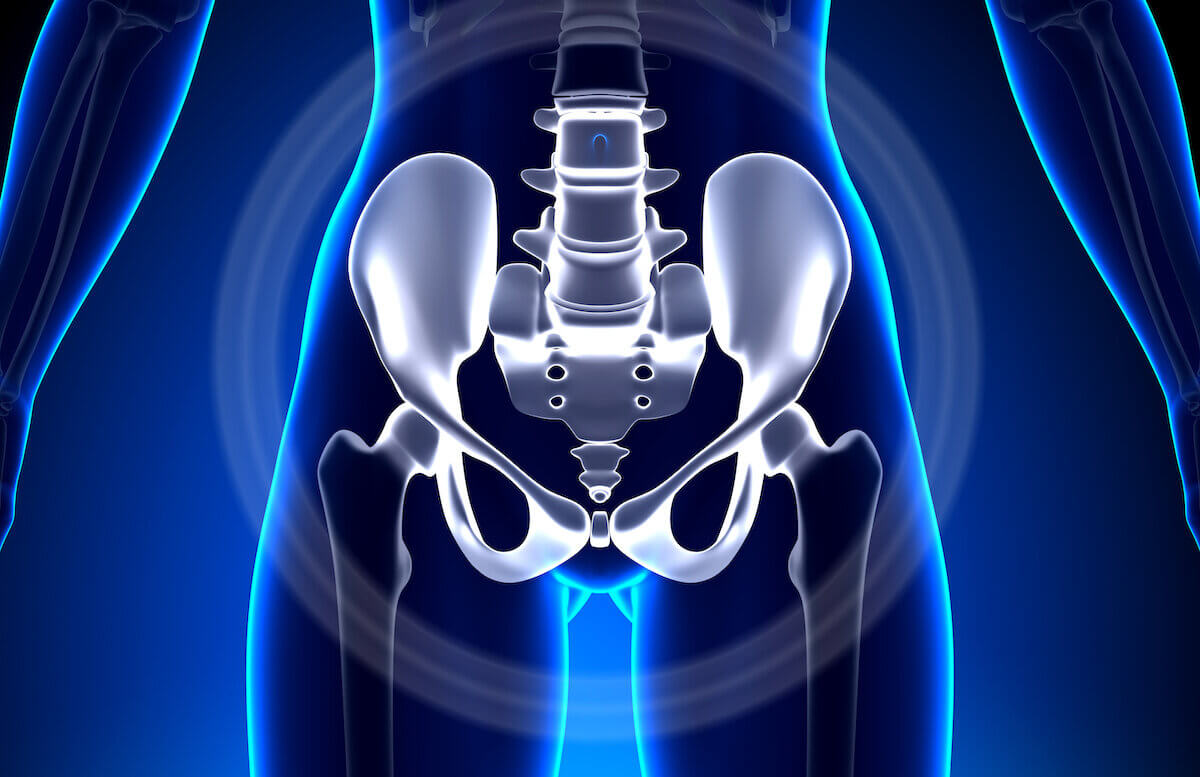
It’s a group of muscles that attach to the pelvis, tailbone, and sacrum and houses the pelvic organs – the bladder, rectum, uterus and prostate. The pelvic floor supports healthy bladder, bowel, and sexual function. In addition to the support and stabilization of our hips, pelvis, and lower back, the pelvic floor ensures the muscles are strong to prevent leaking, but able to relax for urination and elimination. These muscles also allow for arousal, erection, and orgasm.
Pelvic pain and dysfunction is common for both men and women, but that doesn’t mean it’s normal or something you should have to continue dealing with. The cause of pelvic pain and conditions vary, but there is healing through treatment and therapies. Sometimes pain can occur after pelvic or abdominal surgeries, delivering babies, menopausal changes, falls or other injuries, or can happen without a known onset.
Common symptoms and conditions that can be addressed with pelvic physical therapy include: low back pain, hip pain, abdominal pain, tailbone pain, pain from scar tissue after injury or surgery, scar tissue from C-sections, pain with bowel movements, painful bladders, SI Joint pain, pelvic heaviness, vulvar or vaginal pain or clitoral pain, penile or testicular pain, pain with penetration, sexual intercourse, prostatitis, pudendal neuralgia, groin pain, pubic pain, and more. As you can tell, many patients can benefit from this type of therapy.
How does Pelvic Health Physical Therapy support pelvic floor health?
Therapeutic exercises can realign and elevate the pelvic floor and organs, while massage and stretching improves muscle flexibility. Joint mobilization, muscle coordination, diaphragm breathing, and posture education may also be used depending on your individual condition. There are plenty of tricks and behaviors that can be learned to help restore the body’s natural settings.
Pelvic Floor Physical Therapy is most commonly known for its benefits during pregnancy and postpartum.
A woman’s body undergoes so many changes before, during, and after baby, so physical therapy is essential for support and rehabilitation. In fact, in Europe and other Westernized countries, it is mandated that women see a pelvic health therapist after delivery! Therapy restores muscle integrity, addresses myofascial complications, and helps reduce pressure and tightness that can cause pain, hemorrhoids, incontinence, and constipation. The importance of therapy after giving birth can’t be stressed enough – the pelvic floor may need to re-learn muscle coordination and the structure may need to be realigned and adjusted. Many women experience pain and pelvic floor dysfunction postpartum, but you don’t have to.
Too many people suffer in silence due to embarrassment or shame around their symptoms. Pelvic floor dysfunction is very common and easily treated naturally. You should seek therapy with a specialist at Steve Kravitz Physical Therapy, but there are a few things you can do on your own to care for your pelvic floor. Be mindful of your posture and avoid prolonged sitting and slumping in your chair – this creates unnecessary tightness and misalignment. Create an ergonomic workspace. Practice deep breathing – holding your breath can make leaking and pressure worse.
Pelvic Health Physical Therapy is just one part of a unique, personalized approach to Physical Therapy, which has been developed over twenty years by the team at Steve Kravitz Physical Therapy. To learn more about how Pelvic Health Physical Therapy can help with pelvic floor pain and dysfunction, contact us or read more on our website.