Articles
Why You Need to Care for Your Pelvic Floor
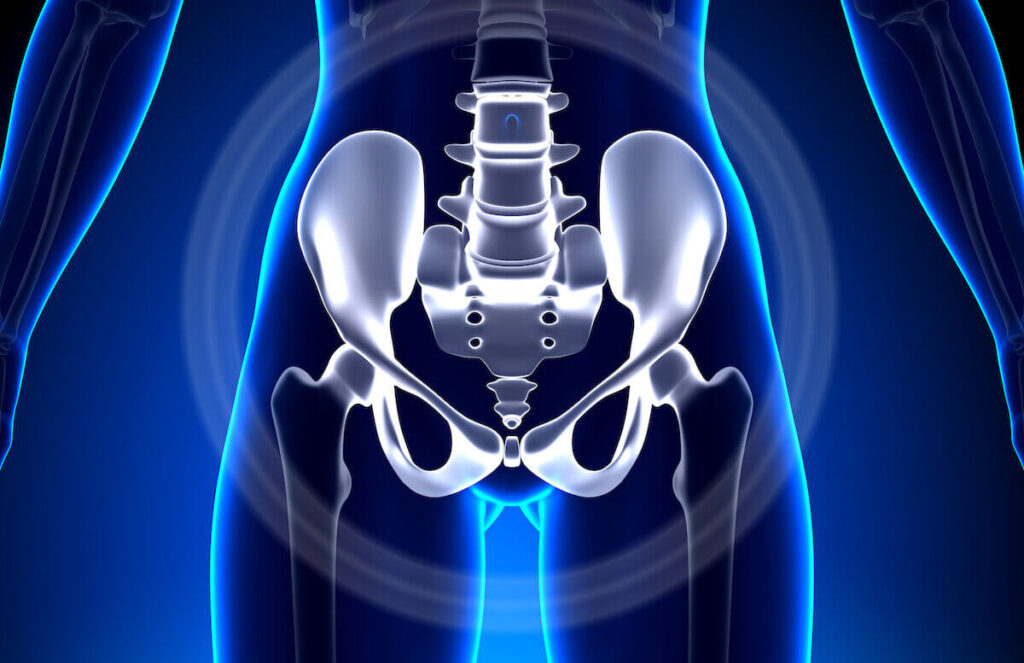
Many of us don’t often think about the pelvic floor as an essential component of our overall health, but in fact, it is the support system for the spine and body as a whole. It’s the cradle that carries us through every day, but we rarely consider the significant role that it plays. Pelvic Health Physical Therapy at Steve Kravitz Physical Therapy is offered as a resource to help restore optimal health.
What exactly is the pelvic floor?
Read full blogCan Dry Needling Help Athletes Recover Faster?
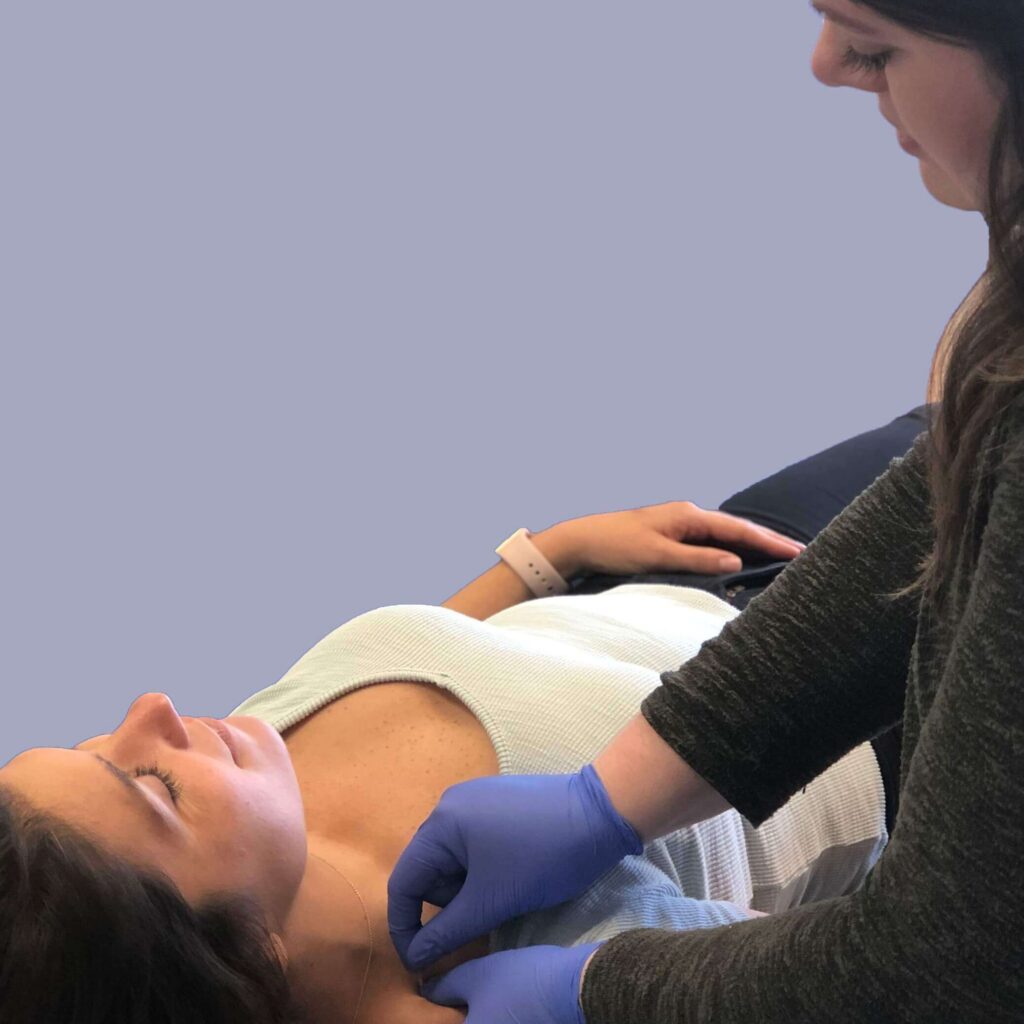
Dry needling therapy provides quick relief for muscle strains and can improve flexibility. Steve Kravitz, founder of Steve Kravitz Physical Therapy, outlines how this treatment works, and how it can help…
Trey, a member of a well-known theatre cast, strained his calf during a performance. When he came to Gena Thurston, DPT, CIDN of Steve Kravitz Physical Therapy, he reported pain with walking and dancing to the point he was sure he would not perform the next day.
Read full blogWhy You Shouldn’t Push through Your Knee Pain + Exercises That Can Help

One of the most common complaints my running patients admit to is the impact running has on his or her knees. The truth is, this complaint is occurring due to the way these runners have been accustomed to running for all of these years.
By working on the way that you are running and ensuring it’s the correct way, you are allowing minimal impact on your knees. Not to mention, I’m sure the undue stress on those knees could take some time off.
Read full blog3 Common Causes of Shoulder Pain + How to Help

By Steve Kravitz, PT, DPT, CST

Pain and discomfort in your shoulder can make picking up something easy seem difficult, but it shouldn’t have to be. Your shoulder has a wide and versatile range of motion, so when something goes wrong it affects your ability to move freely, ultimately causing a great deal of pain and discomfort. It is the most mobile joint in your body.
Read full blogHerniated Disks VS. Bulged Disks: What’s the Difference?
By Steve Kravitz, PT, DPT, CST

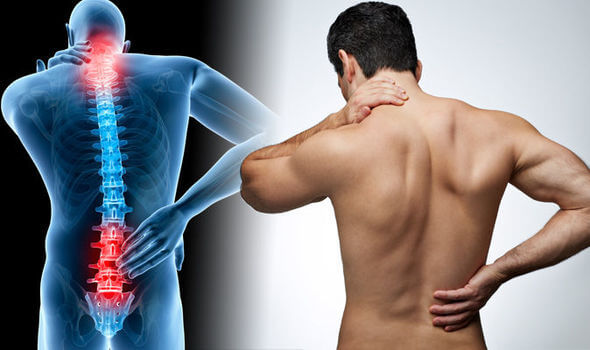
Your spinal column in your back is made up of a series of bones, or vertebrae, stacked on top of each other. From top to bottom, this column of bones are separated and cushioned by discs. Your discs protect your bones by absorbing the shocks your back receives daily with activities including walking, running, lifting, or twisting.
Read full blog